Mt Fuji, a tapestry of stories & culture

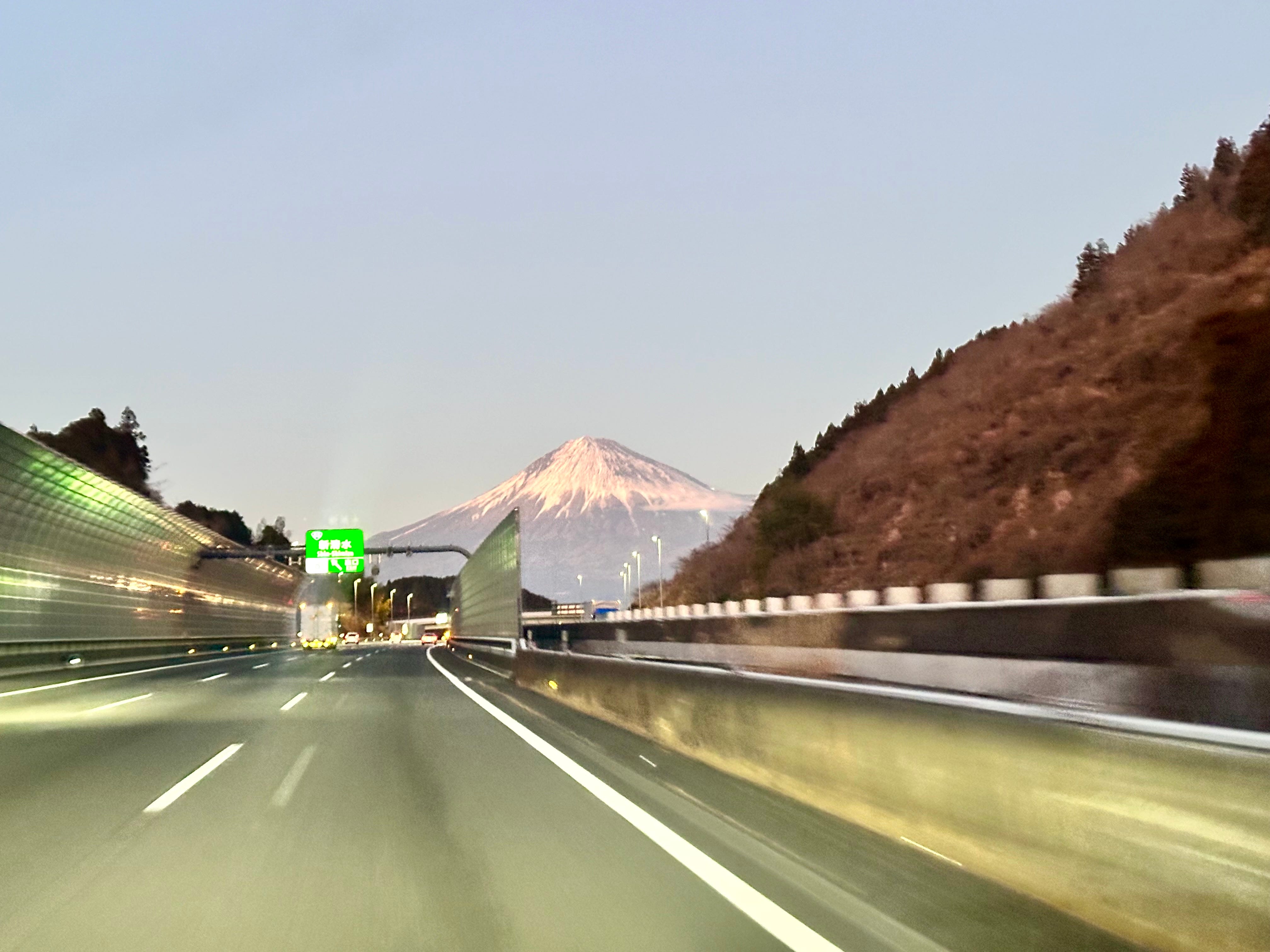
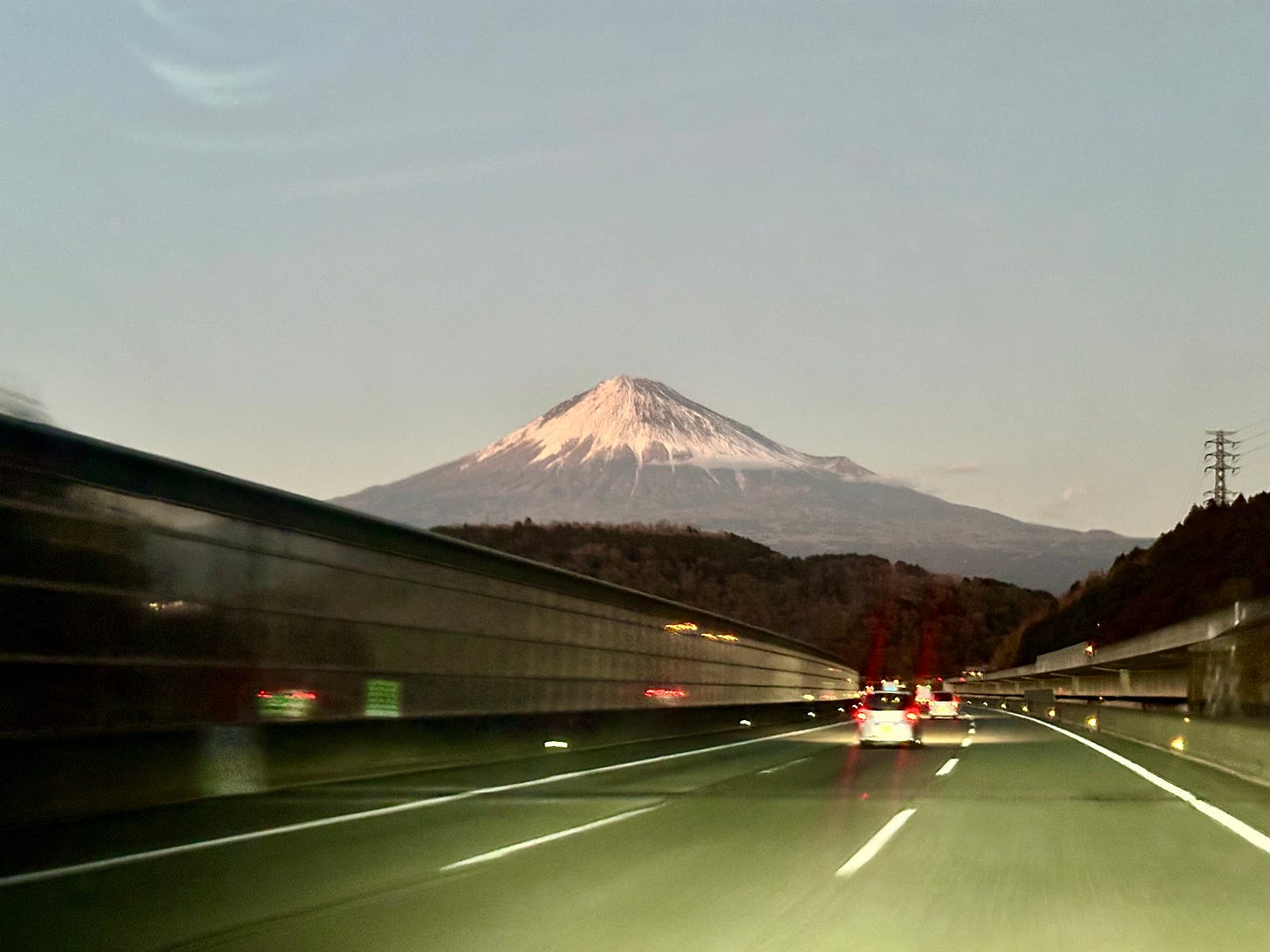
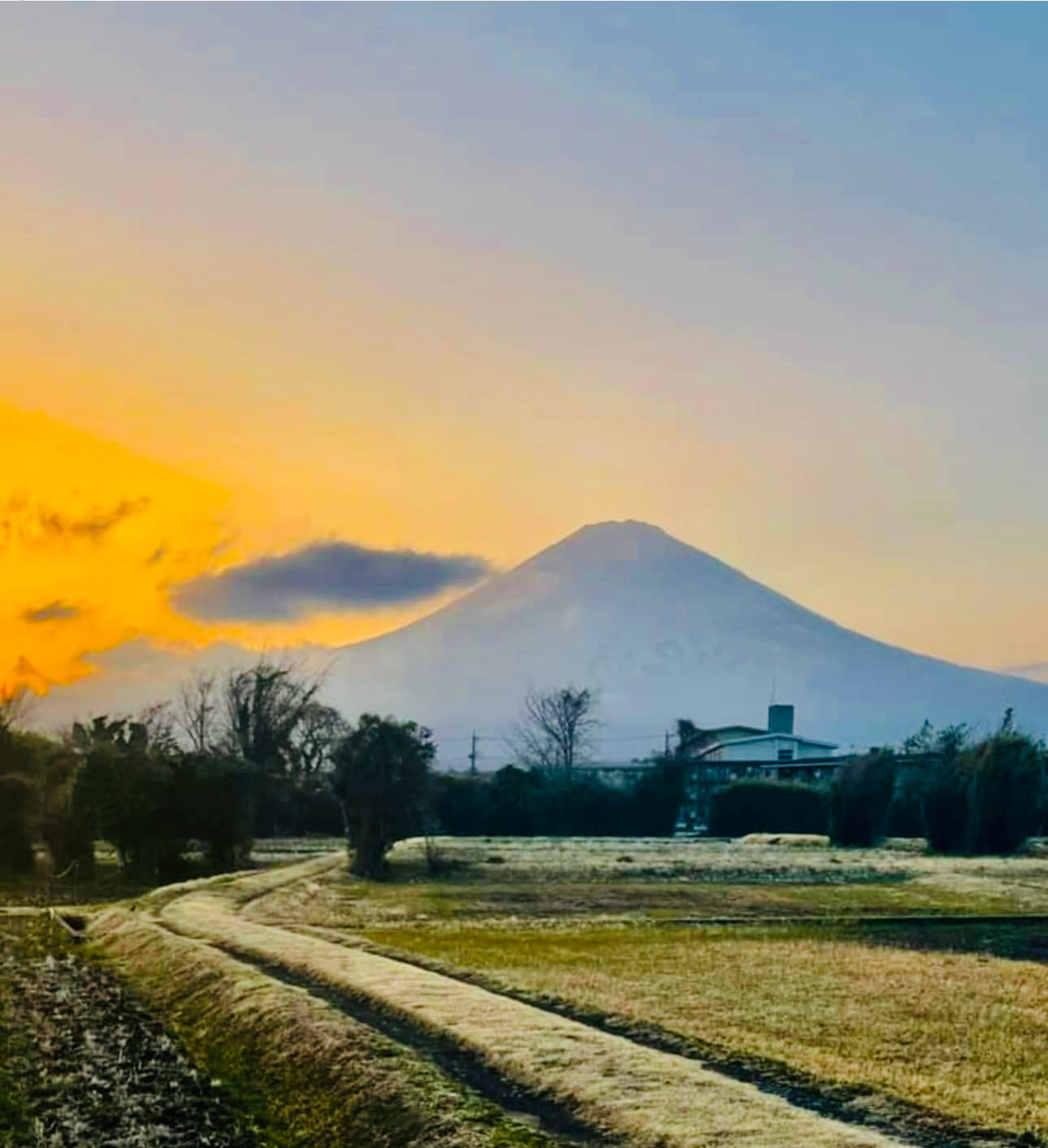
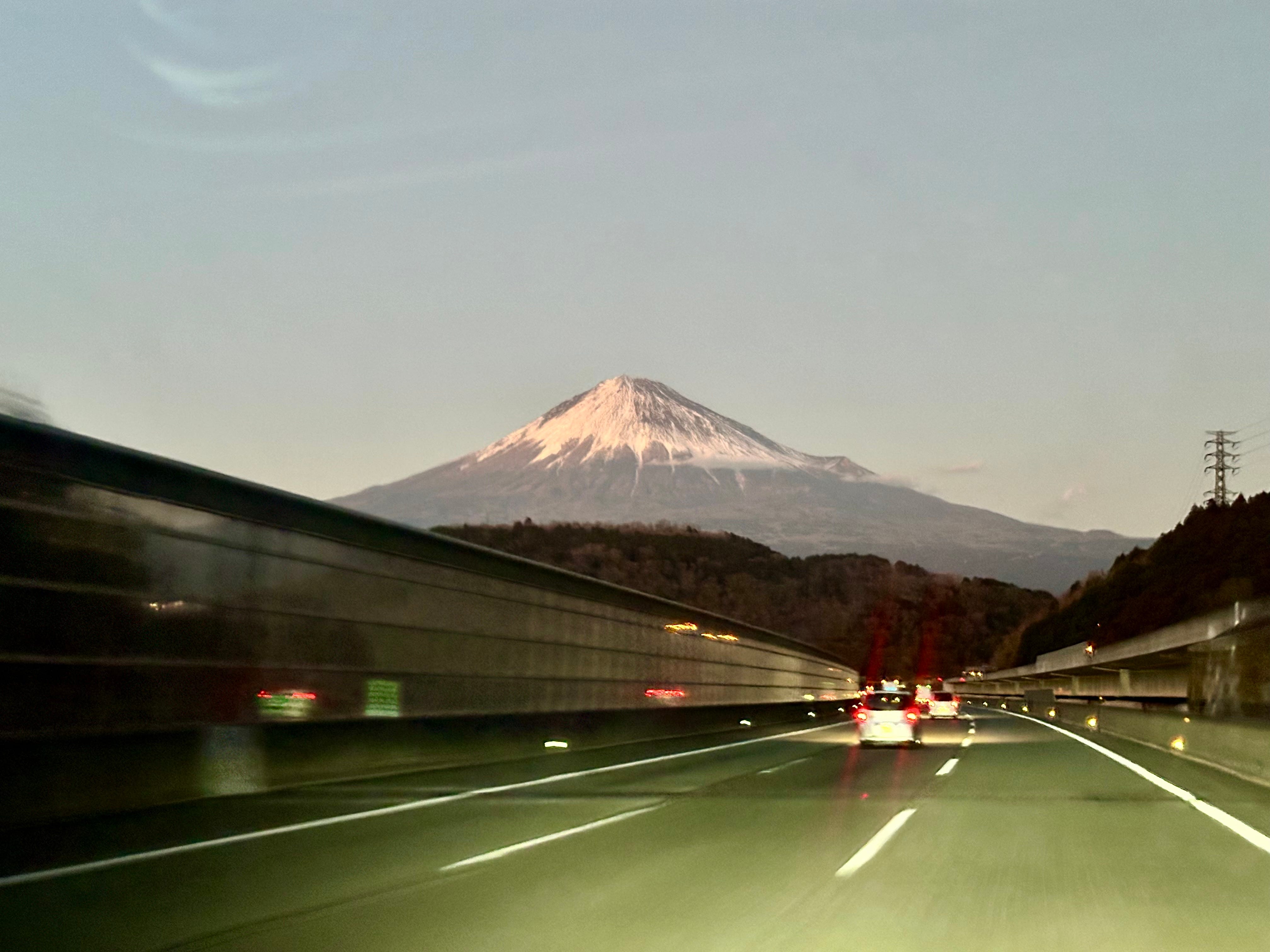
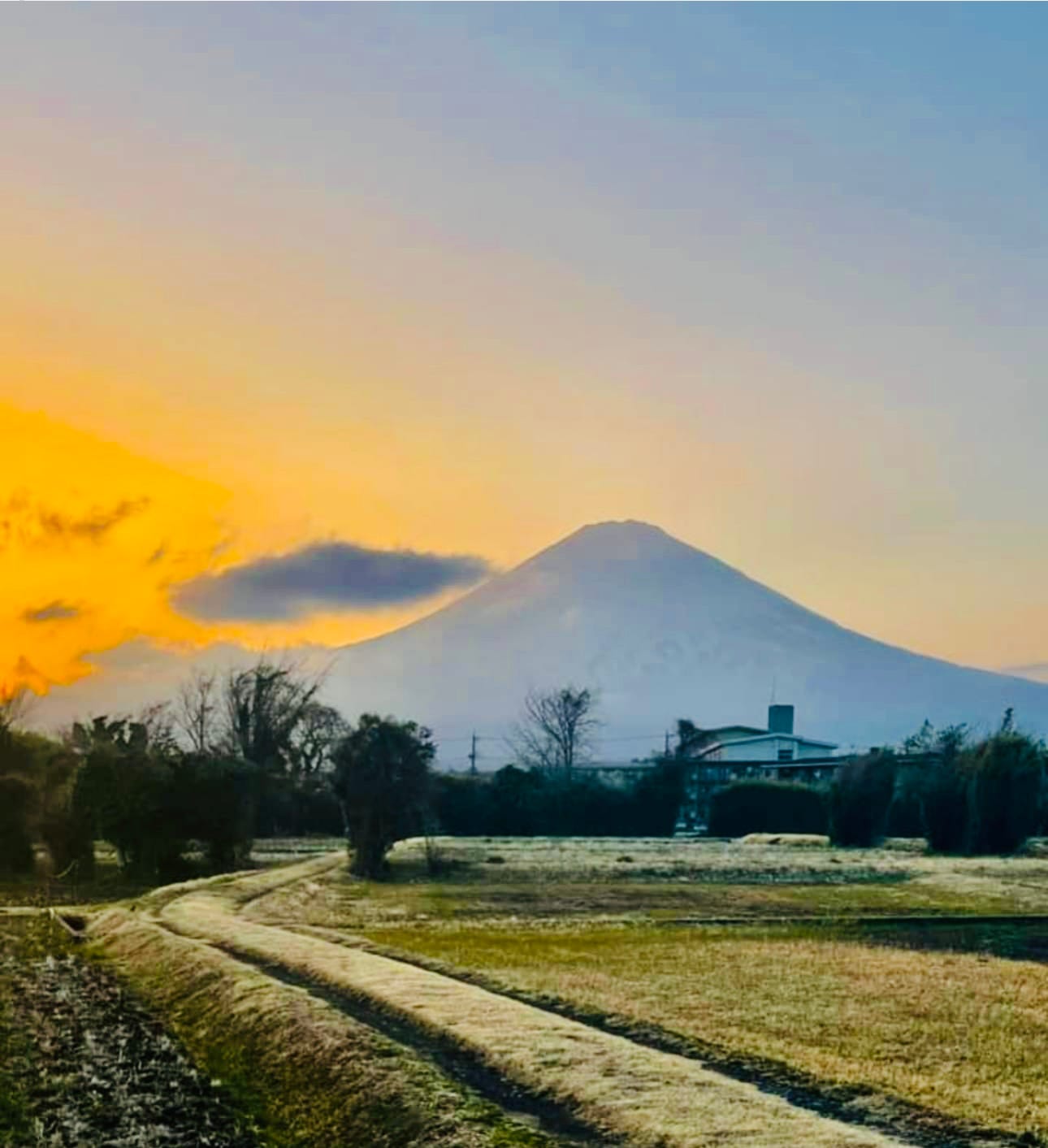
A rich tapestry of stories and culture have always been a part of Mt Fuji. The Japanese revere it not only as a sacred mountain and gateway to the Heavens but also as a destination for pilgrimages, and a symbol of the Japanese identity.
Some interesting stories and facts surrounding Mt Fuji:
The summit of Mount Fuji is private property.
The Fujisan Hongu Sengen-Taisha Shinto shrine, located in the city of Fujinomiya at the foot of Mount Fuji owns all the land between the 8th station & the summit.
There were climbing restrictions until 1872 as women were forbidden from climbing Mount Fuji, only being allowed to access the mountain as far as the second stage.
Mount Fuji became the first ski site in Japan in 1911, when Austrian soldiers skied down from the 9th stage.
The highest lavatory in Japan is located at the top of Mount Fuji.
Mount Fuji is an active volcano, with the last eruption dating back to 1707.
The area around Mount Fuji is rich in springs and waterfalls, with the underground layers of igneous rock filtering snowmelt from the mountain and ofcourse the 5 lakes .
Legend has it that notable religious ascetic Hasegawa Kakugyo summited the mountain over 100 times.
A large area around Mount Fuji is home to the Aokigahara Forest, a unique forest created by the sea of lava produced by the Jogan eruption 1,200 years ago. The are many interesting caves and natural formations in the area.
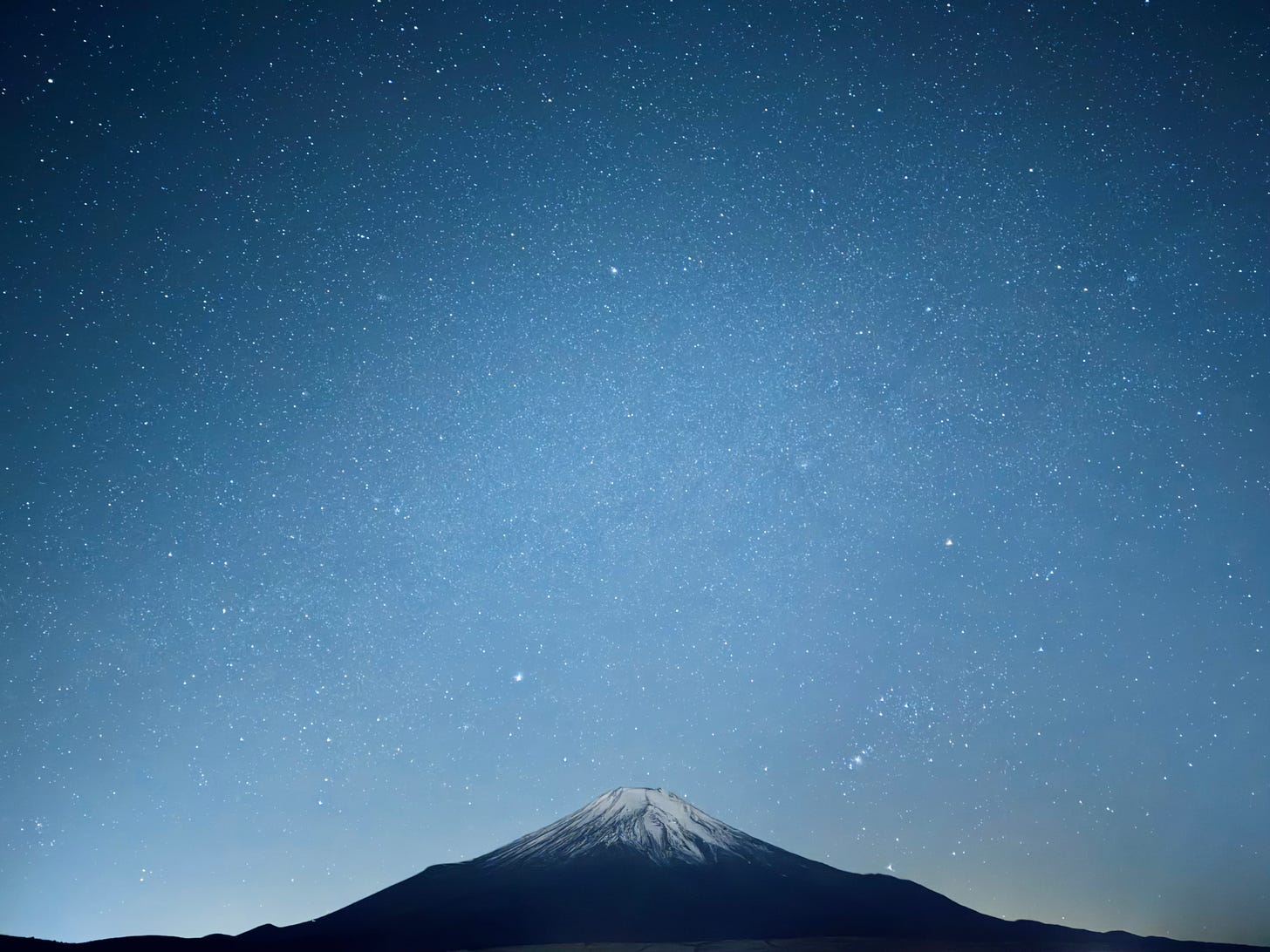
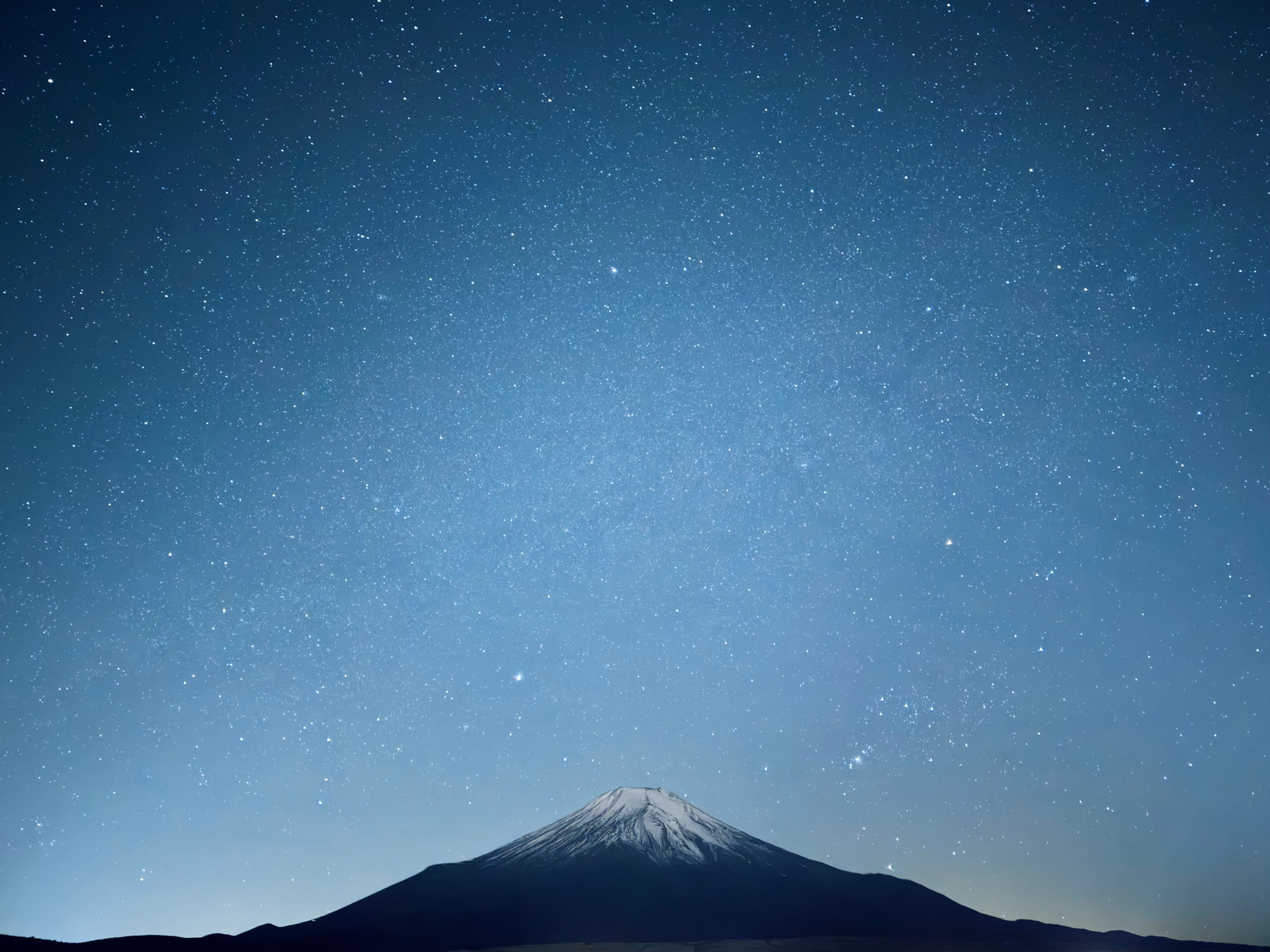
There are still many areas to enjoy dark skies . Westside of Mount Fuji is known for its superb views of the starry sky, with clear air, few artificial lights, and an open sky.
The first known ascent of Mount Fuji is said to date back to 663 by the Buddhist monk En no Gyoja. According to legend, the monk ascended the mountain to escape exile
.
It's an honor to be able to enjoy information about Japan. I like it.